
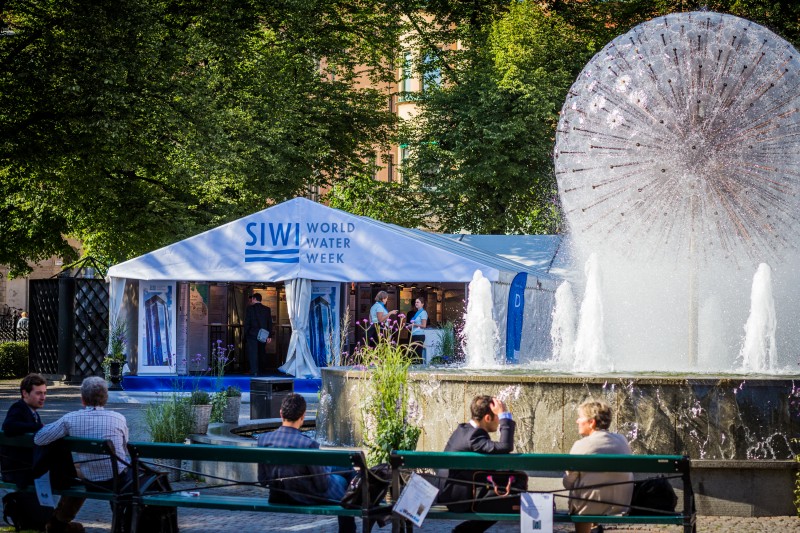
 28 August – 1 September 2017. Stockholm. The World Water Week 2017 programme consists of
 more than 200 sessions of different formats and covering a range of subjects. During the 90-minute convenor events, the most relevant topics on this year’s theme “Water and Waste: Reduce and reuse” will be discussed. Topics that will be addressed include: the implementation and monitoring of the SDGs, sanitation and health linked to wastewater, financing, integrated urban water management, food related to nutrition, water in relation to conflict and fragile states and much more.
Extracts of the agenda: (with a focus on agriculture and Africa)
Driving the transformational agenda towards WASH delivery in Ghana:
Minister for Sanitation and Water Resources, Joseph Kofi Adda
28 August. How can Ghana strive to best achieve its ambitious agenda on sustainable water and basic sanitation for all by 2025? And transform capital Accra into the cleanest city in Africa to boot. Ghana’s first ever Minister for Sanitation and Water Resources has the answers.
28 August. Food and Agriculture Organization of the United Nations
 |
| Prof Bahri of AfDB Group : wastewater reuse potential includes ability to irrigate 40 million ha |
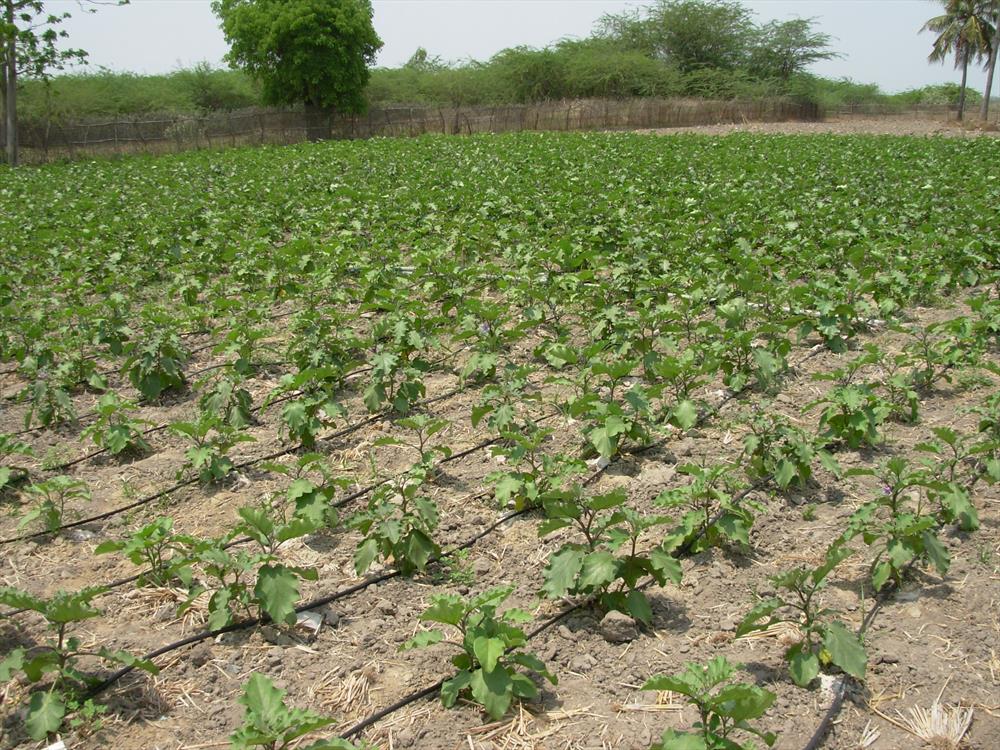
Harnessing opportunities for the safe reuse of wastewater in agriculture
A key motivation for increasing wastewater reuse in agriculture is reduced costs, since this waste contains nutrients useful as agricultural fertilizer, along with enough water to irrigate part of all the irrigated farmland in the world. Wastewater reuse also reduces nutrient leaching to lakes, rivers, and groundwater. But how do we harness these opportunities and tap into this largely unused resource from a planning, policy, livelihoods and financial point of view? And what are the pitfalls that should be avoided to ensure safe and sustainable wastewater reuse?
The AgWater Challenge: Corporate Progress and Learnings
Ceres / World Wide Fund for Nature
29 August. Ceres and WWF launched the “AgWater Challenge” in 2016 to influence and recognize corporate water-related commitments among food and beverage sector companies and their supply chains.
The “Challenge” provides unique incentives for companies to develop time-bound, measurable
 |
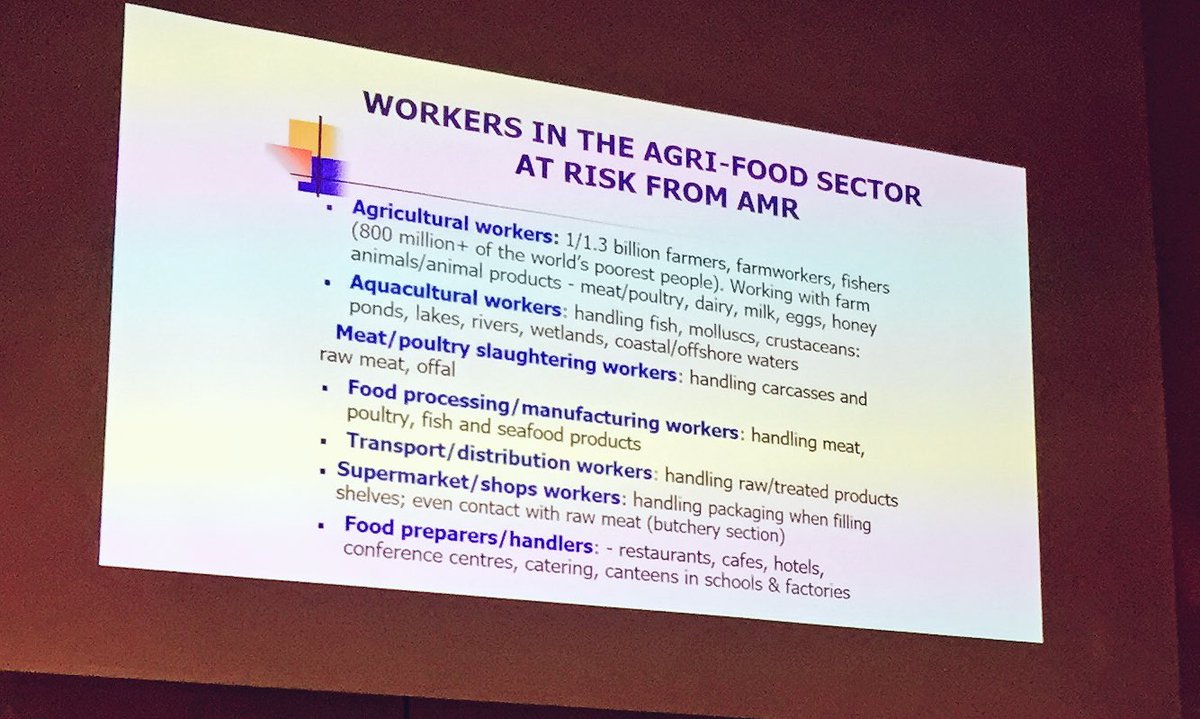
| Workers in the #agri-food sector often get neglected in the anti microbial resistance #AMR debate -Peter Hurst, expert on occupational health & safety. #WWWeek |
commitments that address agricultural supply chain impacts, protect freshwater, and reduce runoff and provides companies with technical assistance from leading NGOs resulting in more meaningful goals and commitments.
Last year, the Challenge recognized seven major companies – Diageo, Hain Celestial, Hormel Foods, General Mills, Kellogg, PepsiCo, and WhiteWave Foods – as AgWater Stewards. Together, the companies shared their leadership stories and released (in total) 18 new commitments to improve water efficiency, create water stewardship policies, and develop time-bound roadmaps for agricultural water stewardship.
29 August. African Ministers’ Council On Water and African Union Commission / African Union Commission
This session explored the implementation of new game-changing technologies, innovative institutional frameworks and well-designed business models for more effective wastewater management and improved water quality. The session Objectives were to showcase existing technologies for waste water management, Identify ways of scaling up such innovations and increased adoption, Explore innovative approaches to water quality monitoring.
AFRICA Focus – Waste to benefits: From policy to action
To actualize the potentials of turning waste to benefits, the need to create the right policy environment and move from policy to effective implementation becomes acute. The High Level Ministerial Panel will focus on policy options on enabling factors to support the adoption and implementation of innovative wastewater management. To set the scene and context, the High Level Panel will be preceded by a key presentation to drive policy dialogue involving AMCOW Ministers and experts.
Ghana’s Minister of Sanitation and Water Resources, Joseph Kofi Adda, will present his perspective on how SWEs and the Trust enable reaching his country’s water supply targets.
Building Africa’s Leadership in Sanitation:
The purpose of this event is to update participants on sanitation leadership activities, encourage greater collaboration and innovation and identify gaps in sanitation capacity building
Liquid manure and pesticides: Water quality challenges of agriculture
Pollution of industrial agriculture is often diffuse and hard to control. This makes the proper management a major challenge, even in countries with highly regulated agricultural systems. The event shows global trends of agricultural groundwater contamination and presents case studies of sound regulation and cooperative solutions with industrial agriculture.
Resources:
- Information about World Water Week and Stockholm International Water Institute; www.worldwaterweek.org and www.siwi.org
- Online programme: http://programme.worldwaterweek.org
- Press briefings, press releases and interview requests: http://www.worldwaterweek.org/pressroom
- Video: http://www.siwi.org/mediahub, http://www.youtube.com/SIWI_water
- Livestream: http://www.worldwaterweek.org/live
- Pictures: https://www.flickr.com/photos/siwi_water
- Twitter: @siwi_water, #WWWeek
- Facebook: Stockholm International Water Institute
- Instagram: siwi_water
Suggested reading:
- WaterFront 2-3/2017 focused on water reuse: http://www.siwi.org/publications/stockholm-water-front-no-2-3-2017/
- SIWI’s latest policy brief: http://www.siwi.org/publications/freshwater-oceans-working-together-face-climate-change/
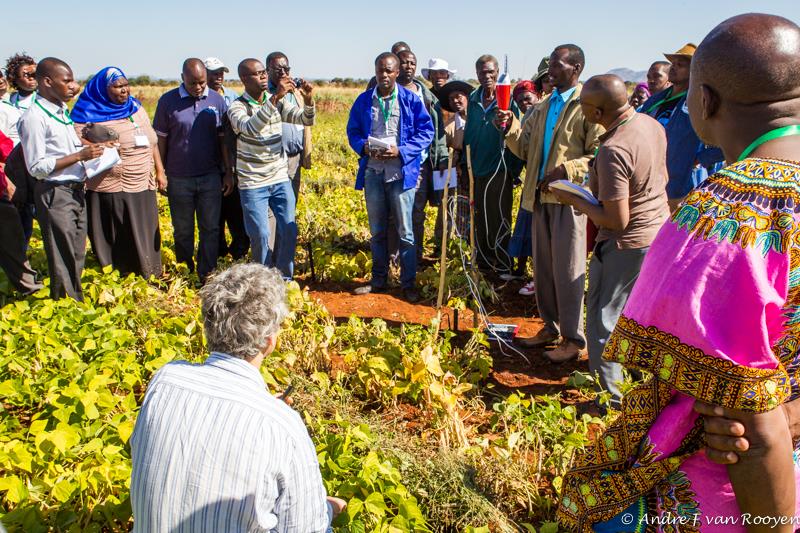
Andre Van Rooyen, one of the co-authors, from ICRISAT Zimbabwe, explains the complexity of efficiently running a small scale irrigation scheme in Southern Africa. “To make these irrigation schemes more profitable and sustainable for the farming community, irrigation users should be able to experiment with different crops, watering regimes and markets. You also need to find the right farmer-centered governance so that maintenance runs smoothly, and everybody agree collectively to contribute his or her share of costs, responsibilities and benefits. This is easier said than done as you have many different actors each with their own interests and perspectives.”

Source: PAEPARD FEED